NEWS
A Rejoinder: Unaccounted Palliatives Meant For Constituents Is The Real Crime – Mandate 27 Group

A Rejoinder: Unaccounted Palliatives Meant For Constituents Is The Real Crime – By Mandate 27 Group
The message quoted above is not a serious political intervention. It is a carefully packaged attempt to change the subject: to turn every legitimate question about Hon. Obi Aguocha’s stewardship into a sermon about family lineage, respect for elders and political morality.
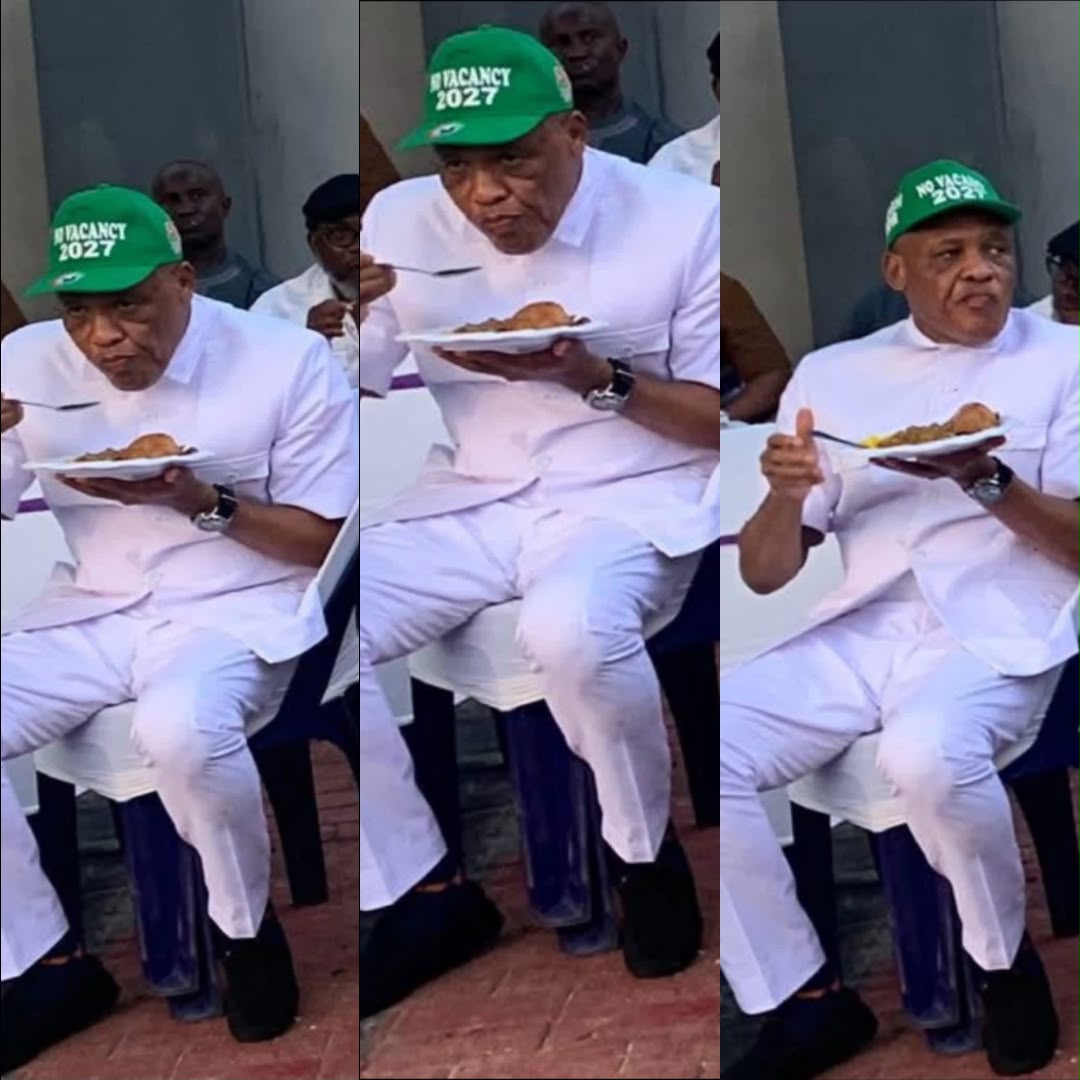
But the people of Ikwuano/Umuahia North/Umuahia South are not asking about surnames. They are asking about rice, fertiliser, constituency projects, contracts, beneficiaries and results. Until Hon. Aguocha publishes his scorecard and accounts for the federal palliatives and interventions routed through his office, no amount of rhetoric about dynasties can bury that question.
Family in Politics Is Global Reality
Those trying to weaponise family connection against Rt. Hon. Chinedum Enyinnaya Orji should first look beyond Ikwuano/Umuahia. Political families, political sons and close relatives of leaders participate in governance across Nigeria, Africa and the world.
In the United States, President Donald Trump’s son-in-law, Jared Kushner, and daughter, Ivanka Trump, served as formal government employees and senior advisers during Trump’s first administration, though neither took a salary. In Trump’s current administration, Kushner has again been described as one of the president’s closest and most influential envoys, involved in major foreign-policy engagements, even while the White House describes him as a volunteer private citizen.[1]
If family proximity to power were automatically disqualifying, much of global politics would collapse. The real test is not whether a leader has a politically prominent father; the test is whether he delivered for his people, respected public resources and can defend his record before the electorate.
Seyi Tinubu and the Nigerian Reality
Nigeria itself offers an even clearer example. Seyi Tinubu, son of President Bola Ahmed Tinubu, has been widely reported as a major political mobiliser, youth organiser and strategic supporter of his father’s political project. Reports describe his involvement in grassroots mobilisation, outreach to youth and community leaders, and support for the campaign that helped bring his father to power.[2]
President Tinubu himself has publicly praised Seyi’s political engagement and nation-building efforts. Yet no serious political commentator suggests that Seyi Tinubu should be erased from public life simply because he is the President’s son.
So why should Chinedum Orji be treated as a political outcast because he is the son of former Governor and Senator Theodore Orji?
Chinedum Orji Earned His Place
Rt. Hon. Chinedum Enyinnaya Orji did not merely inherit a name; he served. He represented Umuahia Central in the Abia State House of Assembly, rose from Majority Leader to Speaker, and presided over the Assembly from June 2019 to June 2023.
His father, Theodore Orji, governed Abia State from 2007 to 2015 and later represented Abia Central in the Senate. But political lineage is not a sin. It is part of Nigeria’s political reality, just as it is part of political life in the United States, across Africa and around the world.
Those who praise Chinedum Orji as a great son who rose through the ranks and touched lives in Ikwuano/Umuahia are not engaging in mythology. They are pointing to a record of service, political experience and constituency connection. If his critics disagree, they should counter that record with a superior record—not with selective outrage about family ties.
The Real Issue: Aguocha’s Scorecard
The quoted message spends paragraphs defending Chinedum Orji from questions about his father’s influence. But it refuses to confront the question that Hon. Aguocha’s supporters cannot escape:
Where is Obi Aguocha’s scorecard?
Where are the completed constituency projects?
Where are the roads, boreholes, classrooms, health facilities, electrification projects and empowerment programmes?
Where are the contracts, contractors, amounts released, completion certificates and beneficiary lists?
Where are the palliatives?
The people have heard claims about rice, beans, fertiliser and relief materials. They have heard claims of hundreds of bags of fertiliser and thousands of bags of food items distributed across wards, churches and community groups. Fine. Publish the evidence.
Name the suppliers. Publish the contract values. Release the delivery notes. Identify the wards. Publish the distribution registers. Show the beneficiaries. Let the 32 wards of Ikwuano/Umuahia confirm what they received.
Until then, claims are not accountability.
Billions Cannot Disappear Into Silence
From 2023 to date, federal constituency interventions and palliative programmes have involved substantial public resources. The House of Representatives has said members did not personally receive ₦100 million each in cash, explaining that the 2023 intervention was to be implemented through the Federal Ministry of Agriculture and Food Security.
But that explanation does not erase the people’s right to know what reached their constituency.
In 2024, the House Minority Whip disclosed that members received about ₦400 million for constituency projects, including roughly ₦179 million for Zonal Intervention Projects, ₦40 million for Special Intervention Projects and ₦200 million for another constituency capital intervention. BudgIT’s GovSpend data also reported ₦9.74 billion in federal food-palliative spending in 2024, including supplies for federal constituencies.
These are not small sums. They are public resources meant to ease hardship and deliver development. Hon. Aguocha must therefore account for every intervention connected to Ikwuano/Umuahia: what was allocated, what was received, what was distributed, to whom, where, when, and at what cost.
Stop Hiding Behind Orji
The most dishonest part of the quoted message is its attempt to make Chinedum Orji the issue whenever Hon. Aguocha’s record is questioned.
Chinedum Orji is not the accountant for federal palliatives. He is not the custodian of constituency-project funds. He is not the person who must explain rice allocations, fertiliser deliveries or contractor payments connected to the incumbent representative.
If Hon. Aguocha’s defenders believe he has performed, they should defend him with facts. Show the projects. Show the beneficiaries. Show the receipts. Show the impact.
Do not ask the people to forget their suffering because Chinedum Orji’s father was once governor. Do not ask them to abandon accountability because political families exist in Nigeria, Africa, America and elsewhere. Do not insult their intelligence by pretending that questions about public money are attacks on Igbo culture.
The People’s Verdict
The people of Ikwuano/Umuahia will not be governed by press releases. They will judge by visible results.
They will ask: What changed in our wards?
They will ask: Who received the palliatives?
They will ask: Where are the projects?
They will ask: Where is the money?
And they will ask Hon. Obi Aguocha, again and again, until the answers come:
Where are the palliatives?
Where is the scorecard?
Where are the receipts?
Political dynasties may produce leaders. But only accountability produces trust. And only verifiable performance will determine who the people of Ikwuano/Umuahia choose in 2027.”
Political Dynasties Are Part of Politics. But Unaccounted Palliatives Meant for Constituents Is the Real Crime.
The message quoted above is not a serious political intervention. It is a carefully packaged attempt to change the subject: to turn every legitimate question about Hon. Obi Aguocha’s stewardship into a sermon about family lineage, respect for elders and political morality.
But the people of Ikwuano/Umuahia North/Umuahia South are not asking about surnames. They are asking about rice, fertiliser, constituency projects, contracts, beneficiaries and results. Until Hon. Aguocha publishes his scorecard and accounts for the federal palliatives and interventions routed through his office, no amount of rhetoric about dynasties can bury that question.
Family in Politics Is Global Reality
Those trying to weaponise family connection against Rt. Hon. Chinedum Enyinnaya Orji should first look beyond Ikwuano/Umuahia. Political families, political sons and close relatives of leaders participate in governance across Nigeria, Africa and the world.
In the United States, President Donald Trump’s son-in-law, Jared Kushner, and daughter, Ivanka Trump, served as formal government employees and senior advisers during Trump’s first administration, though neither took a salary. In Trump’s current administration, Kushner has again been described as one of the president’s closest and most influential envoys, involved in major foreign-policy engagements, even while the White House describes him as a volunteer private citizen.[1]
If family proximity to power were automatically disqualifying, much of global politics would collapse. The real test is not whether a leader has a politically prominent father; the test is whether he delivered for his people, respected public resources and can defend his record before the electorate.
Seyi Tinubu and the Nigerian Reality
Nigeria itself offers an even clearer example. Seyi Tinubu, son of President Bola Ahmed Tinubu, has been widely reported as a major political mobiliser, youth organiser and strategic supporter of his father’s political project. Reports describe his involvement in grassroots mobilisation, outreach to youth and community leaders, and support for the campaign that helped bring his father to power.[2]
President Tinubu himself has publicly praised Seyi’s political engagement and nation-building efforts. Yet no serious political commentator suggests that Seyi Tinubu should be erased from public life simply because he is the President’s son.
So why should Chinedum Orji be treated as a political outcast because he is the son of former Governor and Senator Theodore Orji?
Chinedum Orji Earned His Place
Rt. Hon. Chinedum Enyinnaya Orji did not merely inherit a name; he served. He represented Umuahia Central in the Abia State House of Assembly, rose from Majority Leader to Speaker, and presided over the Assembly from June 2019 to June 2023.
His father, Theodore Orji, governed Abia State from 2007 to 2015 and later represented Abia Central in the Senate. But political lineage is not a sin. It is part of Nigeria’s political reality, just as it is part of political life in the United States, across Africa and around the world.
Those who praise Chinedum Orji as a great son who rose through the ranks and touched lives in Ikwuano/Umuahia are not engaging in mythology. They are pointing to a record of service, political experience and constituency connection. If his critics disagree, they should counter that record with a superior record—not with selective outrage about family ties.
The Real Issue: Aguocha’s Scorecard
The quoted message spends paragraphs defending Chinedum Orji from questions about his father’s influence. But it refuses to confront the question that Hon. Aguocha’s supporters cannot escape:
Where is Obi Aguocha’s scorecard?
Where are the completed constituency projects?
Where are the roads, boreholes, classrooms, health facilities, electrification projects and empowerment programmes?
Where are the contracts, contractors, amounts released, completion certificates and beneficiary lists?
Where are the palliatives?
The people have heard claims about rice, beans, fertiliser and relief materials. They have heard claims of hundreds of bags of fertiliser and thousands of bags of food items distributed across wards, churches and community groups. Fine. Publish the evidence.
Name the suppliers. Publish the contract values. Release the delivery notes. Identify the wards. Publish the distribution registers. Show the beneficiaries. Let the 32 wards of Ikwuano/Umuahia confirm what they received.
Until then, claims are not accountability.
Billions Cannot Disappear Into Silence
From 2023 to date, federal constituency interventions and palliative programmes have involved substantial public resources. The House of Representatives has said members did not personally receive ₦100 million each in cash, explaining that the 2023 intervention was to be implemented through the Federal Ministry of Agriculture and Food Security.
But that explanation does not erase the people’s right to know what reached their constituency.
In 2024, the House Minority Whip disclosed that members received about ₦400 million for constituency projects, including roughly ₦179 million for Zonal Intervention Projects, ₦40 million for Special Intervention Projects and ₦200 million for another constituency capital intervention. BudgIT’s GovSpend data also reported ₦9.74 billion in federal food-palliative spending in 2024, including supplies for federal constituencies.
These are not small sums. They are public resources meant to ease hardship and deliver development. Hon. Aguocha must therefore account for every intervention connected to Ikwuano/Umuahia: what was allocated, what was received, what was distributed, to whom, where, when, and at what cost.
Stop Hiding Behind Orji
The most dishonest part of the quoted message is its attempt to make Chinedum Orji the issue whenever Hon. Aguocha’s record is questioned.
Chinedum Orji is not the accountant for federal palliatives. He is not the custodian of constituency-project funds. He is not the person who must explain rice allocations, fertiliser deliveries or contractor payments connected to the incumbent representative.
If Hon. Aguocha’s defenders believe he has performed, they should defend him with facts. Show the projects. Show the beneficiaries. Show the receipts. Show the impact.
Do not ask the people to forget their suffering because Chinedum Orji’s father was once governor. Do not ask them to abandon accountability because political families exist in Nigeria, Africa, America and elsewhere. Do not insult their intelligence by pretending that questions about public money are attacks on Igbo culture.
The People’s Verdict
The people of Ikwuano/Umuahia will not be governed by press releases. They will judge by visible results.
They will ask: What changed in our wards?
They will ask: Who received the palliatives?
They will ask: Where are the projects?
They will ask: Where is the money?
And they will ask Hon. Obi Aguocha, again and again, until the answers come:
Where are the palliatives?
Where is the scorecard?
Where are the receipts?
Political dynasties may produce leaders. But only accountability produces trust. And only verifiable performance will determine who the people of Ikwuano/Umuahia choose in 2027.